Aggregate Processing System Selection: Throughput, Fines, and Downtime
auth.Rock Comminution ExpertTime
Jul 03, 2026Click Count
Why system selection matters beyond nameplate capacity
An aggregate processing system is often judged by tons per hour, yet real performance is shaped by feed variability, fines generation, and stoppage frequency.
That gap matters across quarries, road projects, rail packages, tunneling support works, and concrete or asphalt supply chains.
A plant can look strong on paper and still miss schedule when wet feed blinds screens, recirculation climbs, or liner change intervals are too short.
For HIES readers tracking crushing plants, screening systems, batching accuracy, and lifecycle ROI, selection is a commercial decision as much as a technical one.
The right aggregate processing system supports stable product shape, controlled fines, predictable maintenance windows, and better cost per sellable ton.
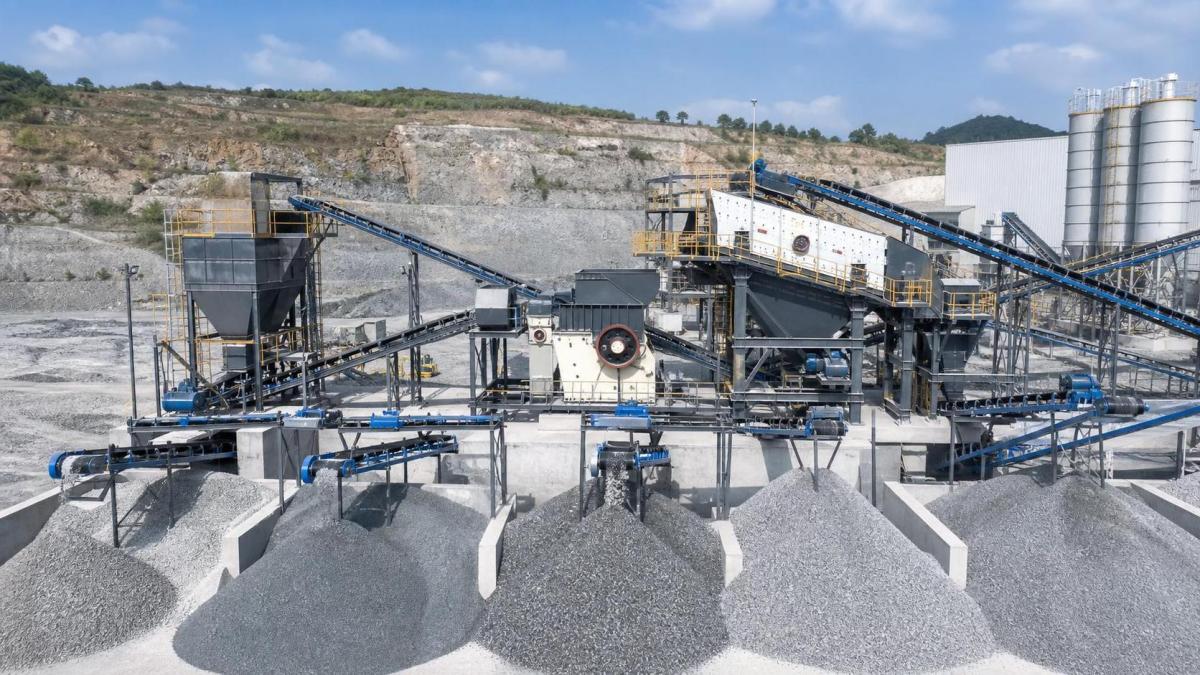
A typical plant layout helps frame the discussion below.

What an aggregate processing system really includes
In practice, an aggregate processing system is not a single crusher.
It is the full arrangement of feeders, crushers, screens, conveyors, transfer points, bins, dust control, automation, and maintenance access.
Its job is simple in theory: turn blasted or excavated rock into target sizes.
The difficulty comes from doing that consistently when material hardness, moisture, gradation, and contamination change from one shift to the next.
Selection therefore starts with flow, not with a brand brochure.
The key question is how each component affects the next stage, especially under partial load, overload, and off-spec feed conditions.
The three pressures that shape plant outcomes
Most selection mistakes can be traced to one of three pressures being underestimated.
- Throughput pressure: the need to keep tonnage high enough for project demand, stockpile targets, or downstream batching capacity.
- Fines pressure: the risk of over-crushing, poor screening, or fragile rock creating excess dust and undersize material.
- Downtime pressure: the operational loss caused by wear, plugging, spillage, difficult access, and delayed replacement parts.
An effective aggregate processing system balances these pressures instead of optimizing one at the expense of the others.
Throughput is a system result, not a crusher headline
Nominal crusher capacity is useful, but it does not define plant output by itself.
Actual throughput depends on choke feeding, feeder stability, screen efficiency, transfer design, and how much recirculating load the circuit can tolerate.
A jaw crusher feeding a cone and screen train may be well matched for abrasive hard rock.
The same setup can underperform when feed contains clay, slabby material, or excessive natural fines.
This is why an aggregate processing system should be sized around sustained operating windows, not peak hourly claims.
Questions that clarify real throughput
- What is the expected feed gradation after blasting or excavation?
- How often will the plant handle wet or sticky material?
- Which product fractions generate revenue, and which ones become low-value surplus?
- Can the screen deck area hold target efficiency at the planned tonnage?
- How much recirculating load appears when one product size tightens?
These points usually reveal whether the bottleneck sits in primary crushing, screening, conveying, or stockpile handling.
Fines control affects both product quality and margin
Fines are not always waste, but uncontrolled fines rarely help plant economics.
For concrete, asphalt, and base material applications, too much fines content can push the final blend outside specification.
It can also increase dust suppression demand, accelerate wear, and reduce the proportion of high-value coarse aggregate.
In many circuits, excess fines are created long before the final screen.
Poor feed presentation, incorrect closed-side settings, and aggressive reduction ratios can generate unnecessary breakage at each stage.
Common sources of excess fines
A strong aggregate processing system controls fines through circuit design, not only through add-on dust equipment.
Downtime usually starts with maintenance design
Unplanned downtime is often treated as an operating issue, although many failures begin at the selection stage.
Restricted access to liners, cramped screen service areas, and weak transfer chute geometry can turn routine maintenance into major production loss.
This matters in infrastructure supply chains where crusher stoppages affect paving schedules, concrete dispatch, and contract milestones.
A lower-cost machine may look attractive until shutdown frequency, crane requirements, and spare lead times are included.
What to examine before approving a layout
- Liner replacement method and average changeout time.
- Screen media access, lifting points, and safe maintenance clearance.
- Wear protection in chutes, hoppers, and transfer zones.
- Availability of standard parts across local service networks.
- Automation alerts for vibration, temperature, load, and belt drift.
In a well-selected aggregate processing system, maintainability is designed into the process flow from the start.
Matching the circuit to the project environment
The best configuration depends on where and why the plant operates.
A fixed quarry line feeding long-term concrete and asphalt demand has different priorities from a mobile setup supporting road reconstruction or tunnel spoil reuse.
Hard, abrasive rock may justify heavier wear packages and conservative reduction stages.
Urban or regulated sites may place more value on dust suppression, noise control, and enclosed transfer points.
Where power supply is unstable, electrification strategy and backup planning also become part of system selection.
Typical scenarios and selection emphasis
This is where HIES-style analysis is useful, because plant decisions connect directly with material quality, compliance, and total cost of ownership.
A practical way to compare options
When several suppliers appear technically acceptable, comparison should move from catalog data to operating evidence.
Ask for performance references in similar rock types, moisture conditions, and final product mixes.
Review not only installed power, but also stockpile quality consistency, liner life, screen panel consumption, and actual stoppage hours.
It is also worth testing how each aggregate processing system handles off-design situations.
Those situations include sticky feed after rain, sudden oversize content, or a temporary need for a tighter finished gradation.
Useful decision filters
- Sellable tons per operating hour, not just total tons processed.
- Fines percentage against actual market or specification limits.
- Mean time between stoppages in comparable installations.
- Time and labor required for wear-part replacement.
- Compatibility with downstream concrete, asphalt, or export quality requirements.
What to do next before committing capital
A reliable aggregate processing system begins with a clean definition of feed material, target products, annual operating profile, and downtime tolerance.
From there, compare circuits using real operating assumptions rather than ideal conditions.
Put special attention on fines pathways, wear points, service access, and the value of each finished fraction.
That approach usually exposes whether a proposal is built for sustained delivery or only for attractive headline capacity.
The strongest next step is to build a short evaluation matrix around throughput stability, fines control, downtime risk, and lifecycle support.
With that structure in place, plant selection becomes easier to defend technically, commercially, and operationally.
Recommended News
- 00
0000-00
High-Frequency Screening Technology: How to Improve Efficiency in Fine Material SeparationHigh-frequency screening technology efficiency explained: discover how to boost fine material separation, improve product quality, cut recirculation, and lower operating costs. - 00
0000-00
EU CE Rule Takes Effect for EMC Limits on High-Frequency ScreensEU CE rule update: high-frequency screens sold to the EU from Oct 1, 2026 must meet EN 61000-6-4:2026 EMC limits. See impacts on testing, certification, and delivery planning. - 00
0000-00
High-Frequency Vibrating Screens South Africa: What Affects ThroughputHigh-frequency vibrating screens South Africa: discover what really affects throughput, from ore, moisture, and aperture choice to feed stability and maintenance for better plant results.
000000-00
{item.title}{item.description}Search News
Industry Portal
Hot Articles
- What to check before choosing an aggregate production line manufacturerChoose an aggregate production line manufacturer with confidence. Explore key checks for capacity, product quality, layout, service, lifecycle cost, and reliable project delivery.
- When does open-pit mining fleet electrification cut haulage costs?Mining Fleet Electrification open pit: learn when electrified haulage lowers cost per tonne through reliable power, stable routes, high utilization and smarter charging.
- How TBM cutterheads should match abrasive rock conditionsTBM Cutterheads for abrasive rock: learn how geology, cutter layout, wear protection, muck flow, and maintenance strategy improve tunnelling reliability.
Popular Tags