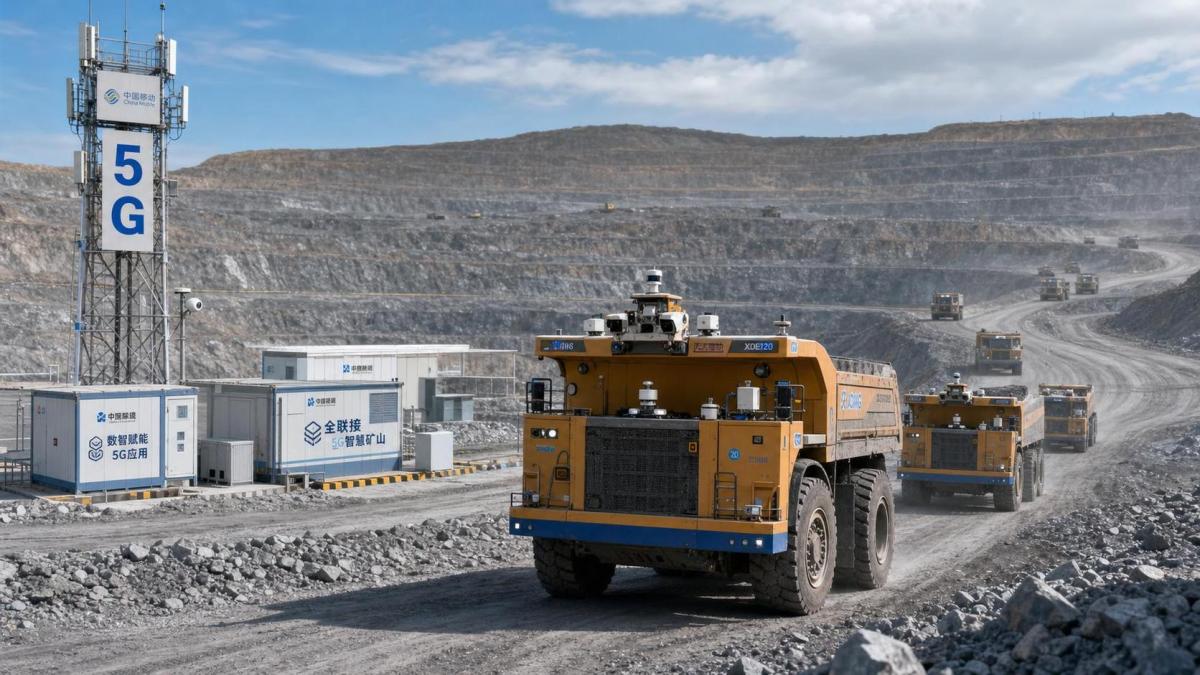
Autonomous Haulage System Cost Breakdown in 2026
auth.Heavy Haulage StrategistTime
Jun 29, 2026Click Count
Autonomous Haulage System Cost Breakdown in 2026
Understanding autonomous haulage system cost in 2026 is now a board-level issue.
Mining companies, EPC contractors, and infrastructure investors are under pressure to automate without losing cost control.
That makes a clear cost breakdown more useful than broad automation claims.
In practice, autonomous haulage system cost is not just software pricing.
It includes trucks, onboard hardware, communications, site design, safety layers, integration, maintenance, and operating discipline.
The more useful question is simple: where does the money actually go, and what returns justify it?
What Drives Autonomous Haulage System Cost in 2026

Autonomous haulage system cost has become more layered in 2026.
Hardware prices have stabilized in some areas, but integration and compliance costs remain high.
A mine may buy autonomy-ready trucks, yet still face major spending before the first unmanned cycle begins.
From recent project trends, five cost drivers show up most often.
- Fleet size and truck payload class
- Autonomy software license model
- Sensors, onboard compute, and control units
- Network coverage, dispatch integration, and control room setup
- Safety validation, training, and site readiness
This also means two mines using similar trucks can see very different autonomous haulage system cost results.
Route complexity, weather, mixed traffic, and legacy systems all influence the final number.
Core Cost Categories Buyers Need to Model
A reliable procurement case starts with clean cost buckets.
Without that structure, autonomous haulage system cost is easy to underestimate.
1. Truck Platform and Retrofit Scope
The first decision is whether to buy new autonomy-ready trucks or retrofit existing fleets.
New trucks usually reduce integration friction.
Retrofits can lower upfront capital, but often raise engineering and downtime risk.
For many sites, the truck itself remains the largest capital line within autonomous haulage system cost.
2. Onboard Autonomy Hardware
This includes radar, lidar, cameras, GNSS, inertial units, edge computing, braking interfaces, and steering control hardware.
Redundancy adds cost, but it is central to safety and uptime.
Cheap hardware choices usually create higher maintenance and false-stop rates later.
3. Software, Fleet Management, and Control Logic
Software pricing varies widely.
Some vendors charge per truck, others by site, throughput, or service tier.
This part of autonomous haulage system cost includes dispatch logic, route planning, obstacle handling, and analytics dashboards.
The most expensive option is not always the most valuable.
Value comes from stable operation under actual mine conditions.
4. Connectivity and Site Infrastructure
Autonomous fleets need dependable communications.
That may involve private LTE, 5G mining networks, Wi-Fi zones, fiber backhaul, and edge servers.
Mines with weak digital infrastructure usually see autonomous haulage system cost rise fast during deployment.
5. Safety, Compliance, and Training
This category is often under-budgeted.
Functional safety studies, operating zones, emergency protocols, workforce training, and regulator reviews all add cost.
Yet this spending protects project continuity and insurance confidence.
Sample Autonomous Haulage System Cost Structure
Exact pricing depends on site conditions and supplier scope.
Still, a planning model helps compare proposals and spot missing cost lines.
This table does not replace vendor quotations.
It gives procurement teams a realistic structure for autonomous haulage system cost comparison.
Where Lifecycle ROI Really Comes From
The strongest business case is rarely built on labor reduction alone.
A better model links autonomous haulage system cost to measurable operating gains.
- Higher truck utilization through consistent cycle execution
- Lower idle time at loading and dumping points
- Reduced speed variation and route deviation
- Better fuel or energy efficiency per ton-kilometer
- Safer operation in fatigue-prone or hazardous zones
- Improved shift continuity in remote sites with labor constraints
More importantly, autonomous haulage system cost should be matched against cost per ton, not headline capital alone.
That shift changes procurement behavior.
A system with higher upfront cost may still win if it delivers stronger availability, cleaner dispatch logic, and lower intervention rates.
Common Hidden Costs That Distort Budget Approval
Several hidden items regularly disrupt automation budgets.
These gaps matter because they surface late, often after contract signing.
- Road upgrades for machine vision and consistent navigation
- Drainage and dust control affecting sensor reliability
- Interface work with legacy dispatch or maintenance systems
- Extra commissioning time due to mixed manned and autonomous traffic
- Cybersecurity hardening for connected fleet operations
- Spare sensor inventory and field calibration tools
In actual operations, these are often the costs that decide whether rollout stays on schedule.
A disciplined autonomous haulage system cost review should include them from the start.
How to Evaluate Supplier Proposals More Accurately
Proposal evaluation should move beyond brochure claims.
The real goal is to compare autonomous haulage system cost against operational fit.
- Ask whether pricing covers commissioning, validation, and post-launch tuning
- Check how the supplier handles network outages and fail-safe behavior
- Review interoperability with loading tools, dispatch, and maintenance software
- Request site references with similar gradients, climate, and haul profiles
- Model uptime guarantees, spare parts response, and software support terms
A proposal may look competitive on capital cost, then lose value through weak support structure.
That is why autonomous haulage system cost must be evaluated as a lifecycle package.
A Practical 2026 Buying Approach
A practical approach starts with site readiness, not vendor selection.
Map routes, traffic patterns, network gaps, and safety constraints first.
Then build a phased business case around autonomous haulage system cost, cost per ton reduction, and deployment risk.
For many operators, a pilot fleet remains the most credible entry point.
It limits capital exposure while proving cycle performance under real conditions.
By 2026, the strongest buyers will be the ones that treat autonomous haulage as an operating system, not a single equipment purchase.
That mindset leads to better supplier comparison, cleaner budgeting, and stronger return on automation capital.
Before approving any project, validate every line in the autonomous haulage system cost model against site conditions, uptime targets, and measurable output gains.
Recommended News
- 00
0000-00
China Tightens AHS Export ComplianceChina tightens AHS export compliance with new type testing and customs filing rules. Learn how autonomous haulage system exporters can avoid delays, protect delivery schedules, and stay compliant. - 00
0000-00
EU Requires EN 50126-3 for AHS Mining Trucks from Oct 2026EN 50126-3 becomes essential for AHS mining trucks entering the EU from Oct 2026. Learn compliance impacts, CE documentation risks, and how suppliers can prepare faster. - 00
0000-00
Australia Sets AHS Safety Certification RuleAustralia Sets AHS Safety Certification Rule: Learn how AS 61508:2026 Ed.3 and SIL2 requirements will impact AHS exports, approvals, delivery timelines, and market access in Australia.
000000-00
{item.title}{item.description}Search News
Industry Portal
Hot Articles
- What to check before choosing an aggregate production line manufacturerChoose an aggregate production line manufacturer with confidence. Explore key checks for capacity, product quality, layout, service, lifecycle cost, and reliable project delivery.
- When does open-pit mining fleet electrification cut haulage costs?Mining Fleet Electrification open pit: learn when electrified haulage lowers cost per tonne through reliable power, stable routes, high utilization and smarter charging.
- How TBM cutterheads should match abrasive rock conditionsTBM Cutterheads for abrasive rock: learn how geology, cutter layout, wear protection, muck flow, and maintenance strategy improve tunnelling reliability.
Popular Tags