ERG Power Project Signals Compliance Shift
auth.cTime
Jun 24, 2026Click Count
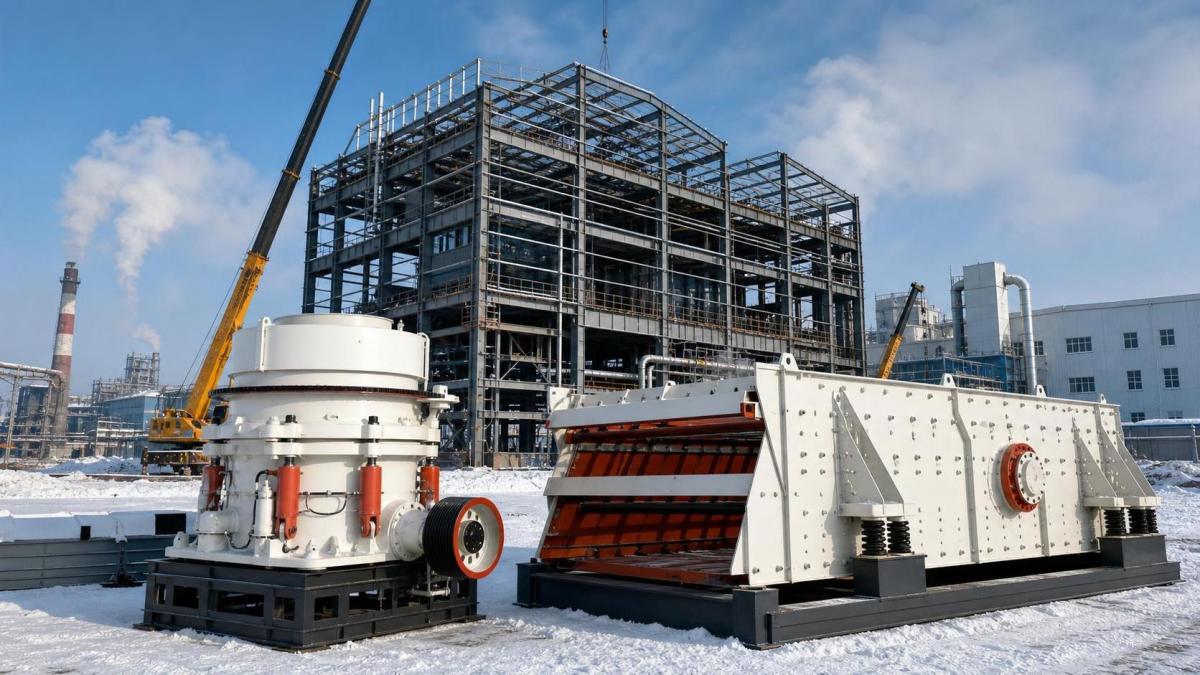
On June 7, 2026, the start of steel structure lifting for the main plant building of the ERG 80MW off-gas power project in Kazakhstan, together with the synchronized delivery of a supporting ore pre-treatment line using HCC series hydraulic cone crushers and high-frequency vibrating screens, deserves attention beyond project progress alone. From an industry perspective, the more relevant signal is that equipment used in a combined setting of severe cold operating conditions and metallurgical by-product gas energy utilization has been presented as meeting Kazakhstan’s latest environmental and energy-efficiency market-entry requirements, which directly affects equipment suppliers, exporters, procurement teams, compliance reviewers, and delivery service providers involved in cross-border industrial projects.

What the project milestone confirms
Confirmed information shows that on June 7, China 15th Metallurgical Construction Group started steel structure lifting for the main plant building of the ERG 80MW off-gas power project in Kazakhstan.
The project’s supporting ore crushing and pre-treatment system was supplied as a complete package by a leading domestic supplier, including HCC series hydraulic cone crushers and high-frequency vibrating screens.
The equipment completed factory acceptance in late May and was dispatched to Almaty.
The event indicates that domestically made high-end hydraulic cone crushers have reached engineering implementation in Central Asia under a combined application scenario involving severe cold operating conditions and metallurgical by-product gas energy utilization.
The project summary further states that this implementation meets Kazakhstan’s latest environmental and energy-efficiency entry standards.
Why this matters across the delivery chain
Export supply is no longer only about mechanical performance
Analysis shows that for equipment exporters and complete-line suppliers, the key implication is that technical competitiveness is being judged together with market-entry compliance. Where a project is framed around updated environmental and energy-efficiency requirements, suppliers may need to align product specifications, factory acceptance records, technical files, and shipment documents more closely with the compliance expectations of the destination market.
Procurement review is likely to move upstream
For procurement teams and project owners, the development suggests that screening may increasingly begin before final delivery, at the stages of specification alignment, factory acceptance, and vendor qualification. What deserves closer attention is whether bid documents, technical schedules, and acceptance criteria place greater emphasis on environmental performance, energy-efficiency positioning, and suitability for severe cold service conditions.
Logistics and handover teams face a tighter documentation interface
For supply-chain service providers and delivery coordinators, the likely impact is not limited to transport timing. Observably, projects linked to updated entry standards tend to increase the importance of matching cargo, technical documentation, inspection records, and handover materials so that compliance claims made during procurement remain consistent through shipment and site delivery.
After-sales and traceability may become part of project acceptance expectations
For service teams supporting installation and follow-up operation, the relevance lies in traceability and consistency. If a supplied system is presented as suitable for demanding operating conditions and as meeting current entry requirements, buyers and contractors may pay closer attention to whether the delivered configuration, equipment records, and service support remain aligned throughout commissioning and later quality verification.
Practical points companies should watch now
Keep compliance files tied to the exact delivered configuration
Analysis shows that exporters and equipment makers should pay close attention to whether technical documents, acceptance materials, and shipment records correspond exactly to the models and system configuration actually delivered, especially when market-entry compliance is part of the project narrative.
Monitor how environmental and efficiency language appears in procurement documents
What deserves closer attention is not only the current project milestone, but also whether similar wording on environmental and energy-efficiency entry requirements appears more frequently in future tender documents, technical annexes, or buyer-side qualification reviews related to comparable projects.
Prepare for stricter evidence at acceptance and handover
From an industry perspective, companies should be ready for more detailed requests around factory acceptance records, testing materials, technical descriptions, and product identification documents. The input does not provide detailed enforcement procedures, so this should be treated as a compliance watchpoint rather than a confirmed new rule outcome.
Do not separate delivery planning from service planning
For suppliers entering similar overseas industrial scenarios, it is more appropriate to treat shipment, site handover, and after-sales readiness as linked tasks. Where equipment is positioned for severe cold conditions and complex process integration, the commercial delivery plan and the service support plan may need to be prepared together.
How this signal should be read at this stage
Observably, this development is better understood as an execution signal than as a fully mapped regulatory conclusion. The confirmed fact is that the project summary links engineering delivery with Kazakhstan’s latest environmental and energy-efficiency entry standards. The part that still requires continued observation is how such requirements will be expressed in future procurement language, qualification review, acceptance practice, and post-delivery verification across similar projects.
Analysis shows that the market significance lies in the combination of two elements: first, actual project delivery has moved forward; second, compliance language is attached directly to equipment entry and application suitability. That combination matters to firms deciding how to prepare bids, compliance packs, export documentation, and service commitments for comparable cross-border industrial orders.
What the market can reasonably conclude
At this point, the event can be read as a concrete sign that project execution, equipment delivery, and market-entry requirements are becoming more tightly connected in this category of industrial application. It does not by itself prove a broad rule change across all projects, but it does provide a practical reference point for companies involved in equipment export, industrial procurement, and cross-border project fulfillment.
It is more appropriate to understand this as a grounded implementation signal with continuing relevance for compliance review, procurement wording, and delivery control, rather than as a final or complete regulatory outcome.
Basis of this article and what still needs verification
This article is generated based on the user-provided news title, event date, and event summary. The specific official source link was not provided in the input, so it still requires ongoing verification against sources commonly relevant to this type of development, such as official project announcements, regulatory releases, trade or customs information, industry association updates, standard-setting documents, and reporting from authoritative media.
Further observation should focus on whether more detailed policy wording, certification practice, procurement document language, implementation interpretations, industry feedback, and company-level execution evidence emerge in connection with similar projects.
Recommended News
- 00
0000-00
China Tightens CE and MSHA Dual Certification Rules for Mining CrushersChina tightens CE and MSHA rules for mining crushers, raising export compliance costs and risks. Learn what buyers and suppliers must prepare before 2026. - 00
0000-00
China Tightens Export Compliance for Mining Hydraulic CrushersChina tightens export compliance for mining hydraulic crushers, raising new certification hurdles for EU, US, and Australia shipments. Learn what exporters must do before the October 2026 deadline. - 00
0000-00
Zero tariff for Brazilian construction machinery is implemented, and the purchasing window opensBrazil engineering machinery zero-tariff policy takes effect, opening a new procurement window. Learn how it impacts pricing, customs clearance, bidding, delivery, and project sourcing opportunities.
000000-00
{item.title}{item.description}Search News
Industry Portal
Hot Articles
- What to check before choosing an aggregate production line manufacturerChoose an aggregate production line manufacturer with confidence. Explore key checks for capacity, product quality, layout, service, lifecycle cost, and reliable project delivery.
- When does open-pit mining fleet electrification cut haulage costs?Mining Fleet Electrification open pit: learn when electrified haulage lowers cost per tonne through reliable power, stable routes, high utilization and smarter charging.
- How TBM cutterheads should match abrasive rock conditionsTBM Cutterheads for abrasive rock: learn how geology, cutter layout, wear protection, muck flow, and maintenance strategy improve tunnelling reliability.
Popular Tags